Supporting families, raising awareness and helping those affected.

Can be inherited in several different ways.
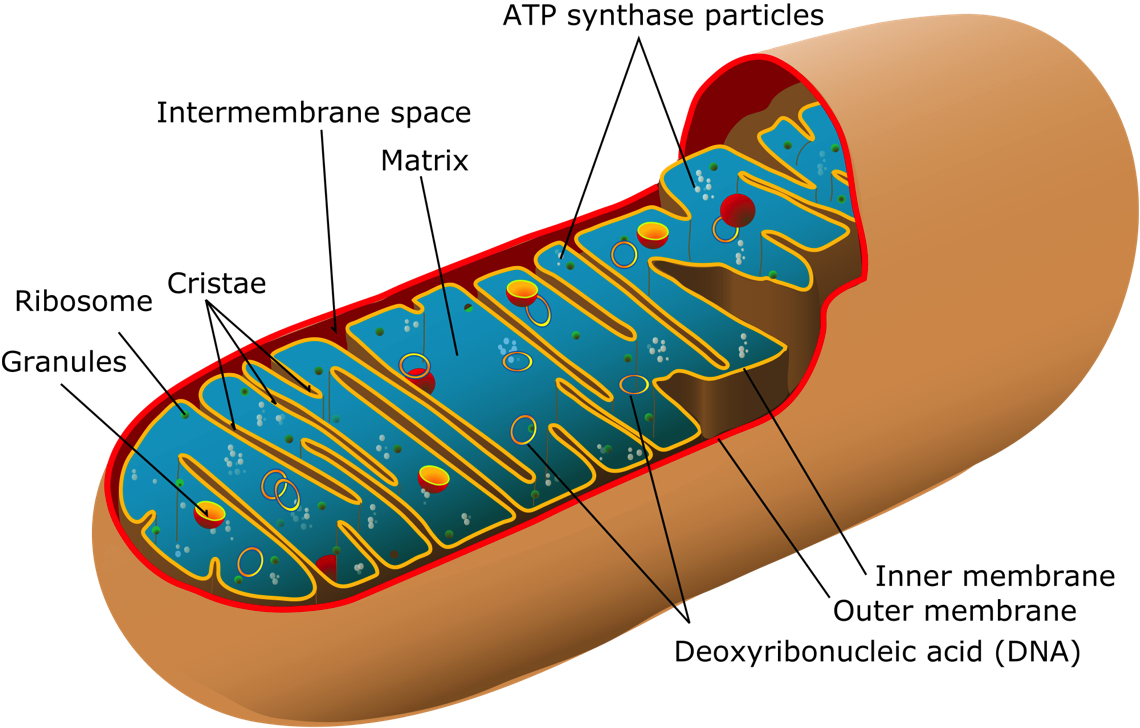
Affects the mitochondria, the body's energy producers.
Can affect any organ and varies from person to person.
Mitochondrial Disease is a chronic, genetic disorder that can be inherited in a number of ways. Because there are many forms of mitochondrial disease, it can present very differently from person to person.
When a person has Mitochondrial Disease the mitochondria in the cells are not producing enough energy. Sometimes they are not very efficient or they do not work at all.
Activities like running, swimming, cycling or even simple things like walking or breathing can be difficult or completely impossible for someone affected by Mitochondrial Disease.
How We Can Help
Mitochondria are tiny structures found in nearly every cell of our body. Their main function is to break down food and turn it into energy by using oxygen.
They are often known as the powerhouses of the cell and are essential to sustain life, growth and daily function.
When mitochondria do not work properly, the cells cannot produce the energy the body needs. This can lead to problems with the muscles, organs, brain, heart and nerves.
Learn more about how mitochondrial disease can affect children, adults and families.
There is currently no cure, but treatment can help manage symptoms and quality of life.
Find answers to common questions about mitochondrial disease and support.
The Abel Foundation provides emotional support, practical advice and a community of families who understand what you are going through.
How We Can HelpFind out how volunteering, fundraising and donations help us support families affected by mitochondrial disease.
How You Can Help
If you or a loved one has been affected by mitochondrial disease, we are here to help.